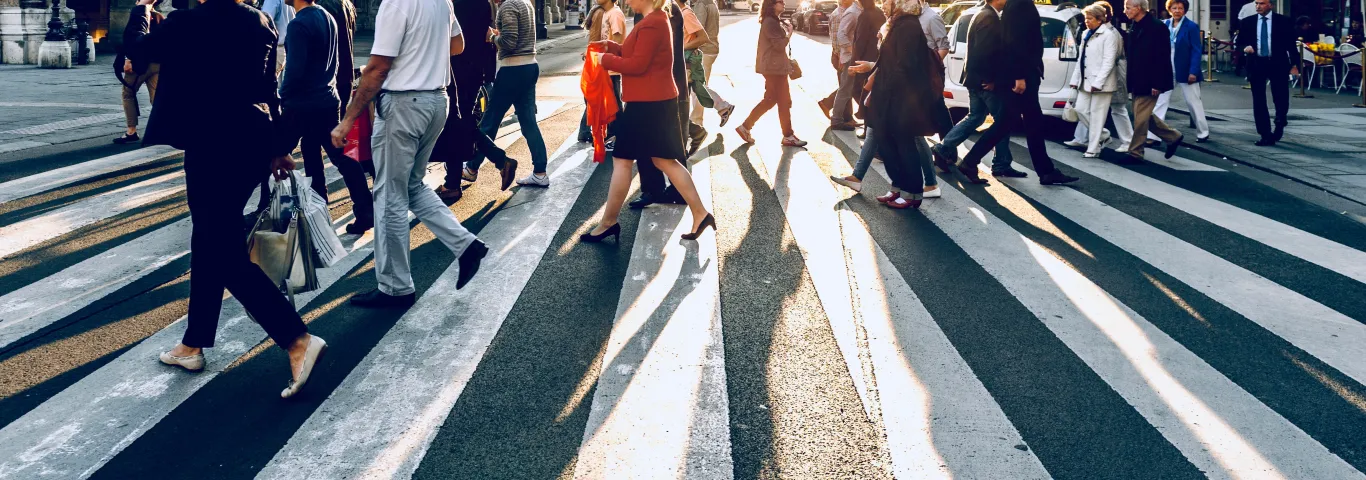
Public space is designed physically and is mediated by the environment and social and cultural practices. The Public Life Survey, building on the seminal work The Social Life of Small Urban Spaces by William H. Whyte, is a methodology based on observations, interviews, measurements, photography and mapping to show how public spaces are actually used. Created on-site by a team of students with specific tasks, the three-day workshop produces a graphic description that can be compared with other cities. The survey’s goals are twofold: to better understand how public space is used (and misused), and to use this information to design new public spaces that contribute positively to the life of the city. Previously undertaken by only Architecture and Urban Design students, the addition of Humanities students and faculty brings an additional literacy and methodology to the history, sociology and psychology of public-space research. This workshop targets one American site in the fall semester and one international site in the spring semester, resulting in a comparative graphic and discursive dictionary of the life of the public space.