At the Center for the Humanities, we understand the global humanities as the exploration of human culture, values, practices and societies on a transnational scale. The center hosts research groups and fellows and organizes programming that all seek to understand how diverse cultures have evolved on their own terms as well as how they have shaped and interacted with one another over time, including, but not limited to, the examination of key questions such as colonialism, postcolonialism, migration, feminism, the study of race, human rights, environmentalism and religion. The Center for Humanities is interested in fostering conversations on global topics among scholars at WashU and in forging connections and initiating dialogue with scholars and practitioners outside the U.S.

Global/local gender activism: Transdisciplinary and trans-hemispheric knowledges in movement

With support from the Consortium of Humanities Centers and Institutes Membership Activity Fund and a Washington University McDonnell Global Incubator Seed Grant, this project consists of a three-site global investigation of academic and activist responses to the legislative and societal assaults on the bodies of women and gender minorities in Argentina (Córdoba), Mexico (Mexico City) and the United States (St. Louis). Using public humanities methods (collaborative, community focused, reparative, digital), this project fosters global intellectual exchange and knowledge production.
The aim is to advance a mutually informed global perspective on the urgent topic of gender activism under escalating threats of gender violence and legal restrictions across the Americas. Questions to be explored include: How can activists in the U.S. learn from the successes of activists in Latin America? How can the global exchange of ideas improve advocacy for a future free of gender violence? How can methods in the public humanities help shape societies that support women, trans women and those who possess a range of multiple and intersecting marginalized and racialized gender identities?
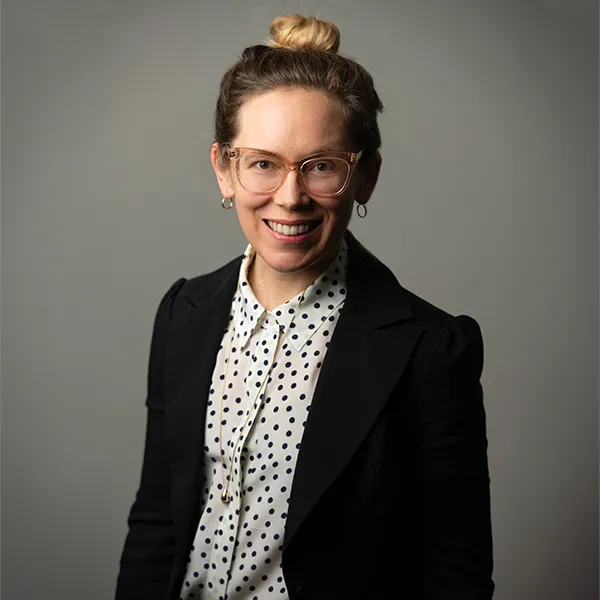
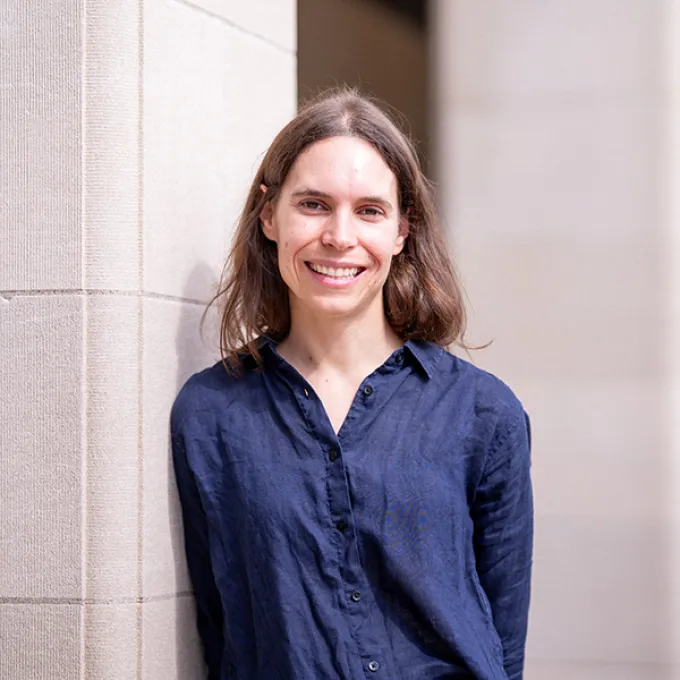
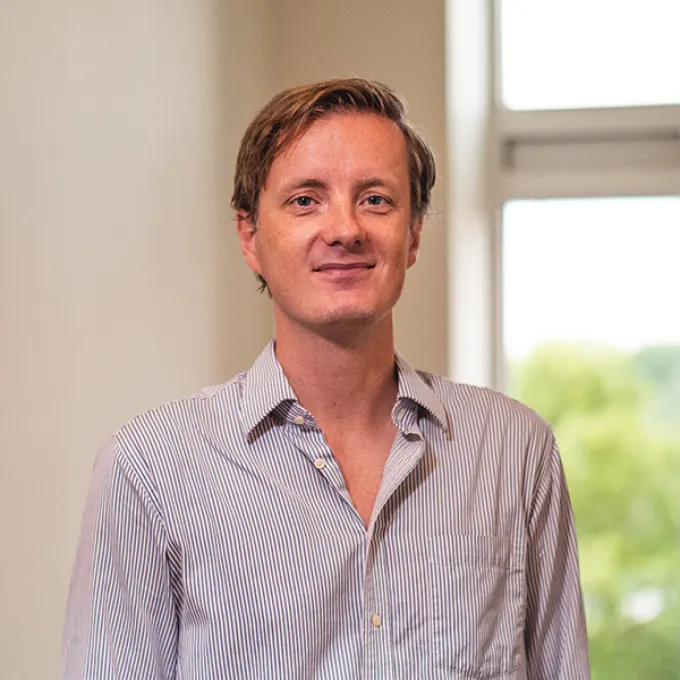
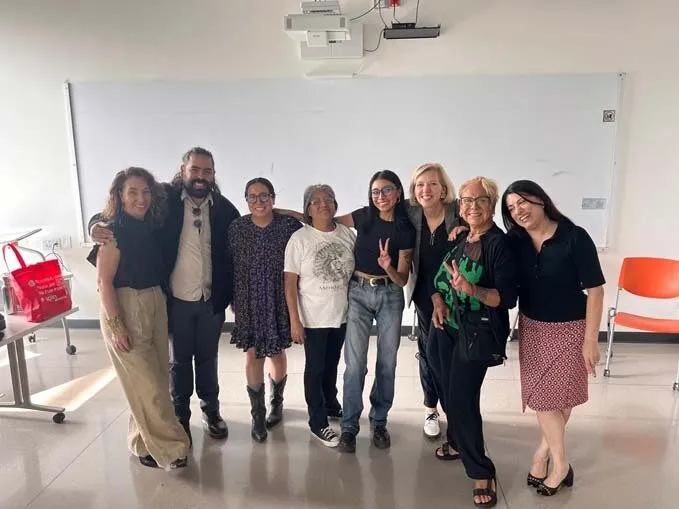
The U.S. team members include Stephanie Kirk, director, Center for the Humanities, professor, Spanish and women, gender and sexuality studies; Paola Ehrmantraut, Endowed Chair in the Humanities and director of Women, Gender and Sexuality Studies at the University of St. Thomas (Minnesota), and alumna of University of Córdoba and WashU; and Francisco Tijerina, PhD candidate in Hispanic studies with a certificate in women, gender, and sexuality studies at WashU, and alumnus of Tecnológico de Monterrey.
Global collaborators include Ivanna Aguilera, coordinator of the Trans, Travesti, and Non-Binary area of the Faculty of Philosophy and Humanities at the National University of Córdoba.
The collaborators on this project will publish a multi-authored collage of essays, photographs and artworks that includes academic work, public-facing work and creative practice. This compilation will be offered in a bilingual Spanish/English format so as to accommodate all participants’ language choices as well as increase the circulation beyond the U.S. academy.